
THE ORIGINS OF IMBOLC AND THE KEEPER OF THE SACRED FLAME

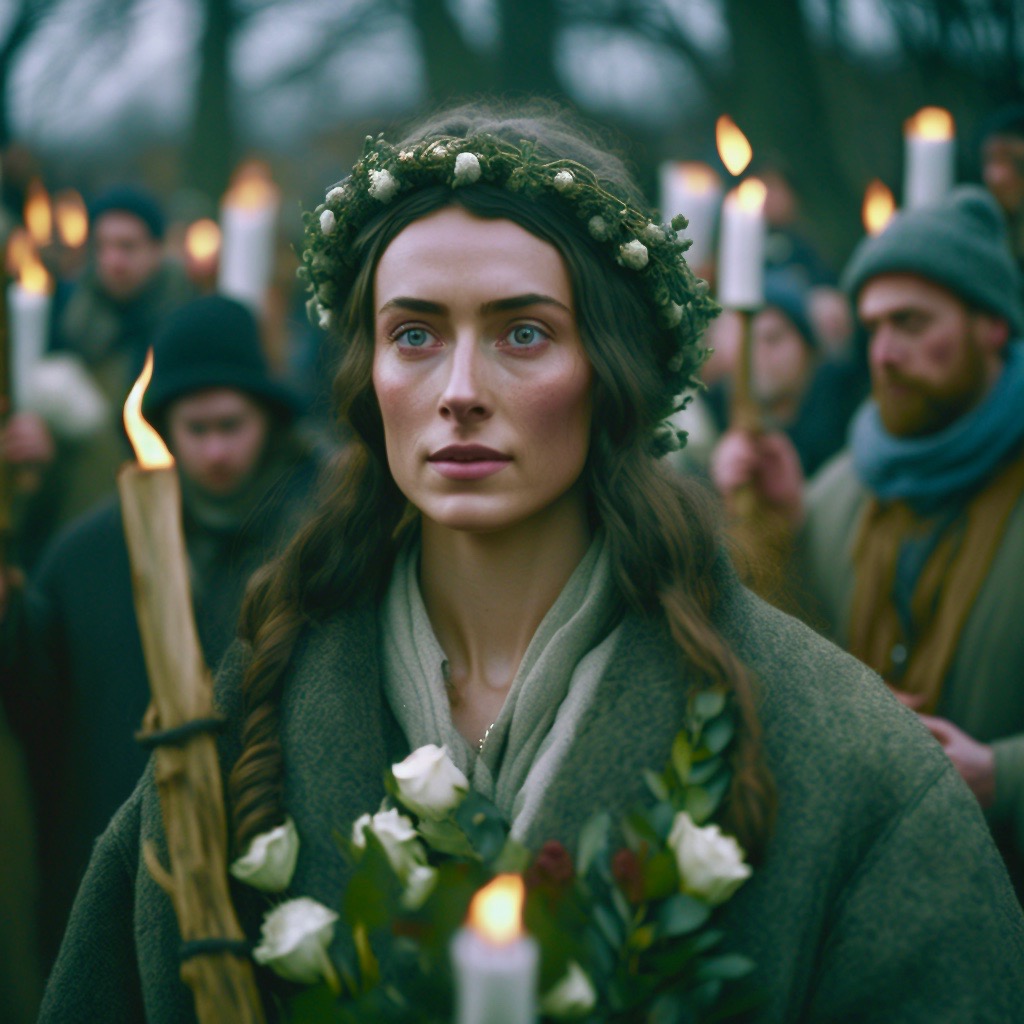
Imbolc: The Origins of a Celebrated Irish Festival and the Goddess of fire. To be honest, it goes without saying that Irish culture is steeped in tradition and yep, you guessed it history. One of its most cherished celebrations is the festival of Imbolc. This lesser known and very old festival, also known as Brigid’s Day, is celebrated on the first of February and marks the beginning of spring in the Celtic Lunar calendar. It is a time to welcome the returning light from the dark and dismal Irish winter and celebrate the fact that you no longer have to swallow copious amounts of Vitamin D. Living through an Irish winter is bleak, so as the days get noticeably longer why not have a festival? But what is the meaning behind this festival and where did it come from? Imbolc is in fact dedicated to the goddess Brigid, one of the most revered figures in Irish mythology. Lovely *Brigid was known as the goddess of healing, poetry, and smithcraft, and she was also associated with the sacred flame. Her festival was celebrated in the early days of February to mark the end of winter and the beginning of spring. The name Imbolc is derived from the old Irish words “i mbolg” which means “in the belly.” This refers to the idea that the land was “in the belly” of the goddess and that spring was about to be born. In the past, Imbolc was a time of great celebration and excitement. The festival was celebrated by lighting fires and candles to symbolise the return of the light. This was a time to honour Brigid and to ask for her blessings for the coming year. People would also leave offerings at sacred wells or shrines in her honour, and they would perform rituals to ensure that the crops would grow and the livestock would prosper. Imbolc was not just a religious festival; it was also a time of community gathering. People would come together to share food, dance, and sing. The festival was also a time for young people to court and find partners, and for families to reunite after a long winter. It was a time of joy and hope, and it helped to lift the spirits of the people during the darkest days of winter. Today, Imbolc is still celebrated in Ireland, but it is more of a cultural event than a religious one. People still light candles and fires, and they still come together to celebrate the start of spring. The festival has evolved over the years, and it now includes modern elements such as parades and music, but the spirit of Imbolc remains the same. It is a time to welcome the new season, to honour the past, and to celebrate the future. Let’s just say that Imbolc is a festival that is deeply rooted in Irish culture and history. It is a celebration of the end of winter and the beginning of spring, and it is a time to honour the Goddess of the sacred flame and to ask for her blessings. It is a time of joy because the days are brighter with the promise of brighter days to come. *The number of girls named Brigid reached its peak in 1965, when 293 children were given the name. Between 2018 and 2020, only 11 girls were called Brigid, but there were only 2 last year.

Read More

THE ORIGINS OF THE LEPRECHAUN: UNCOVERING THE ROOTS OF A MISCHIEVOUS MYTH

The Origins of the Leprechaun: Uncovering the Roots of a Mischievous Myth Leprechauns, the small, mischievous fairies of Irish folklore, have captured the imagination of people across the world for generations. But where did these legendary creatures come from, and what do they represent in Irish culture? To understand the origins of the leprechaun, we must delve into the rich and complex history of Ireland itself. One of the earliest references to leprechauns comes from the 8th century, when the Irish author and monk, Naoréid, wrote of tiny, solitary fairies who lived in the countryside and were known for their cunning and trickery. However, it was not until the medieval period that the leprechaun became a recognizable character in Irish folklore. The word “leprechaun” is derived from the Irish word “leipreachán,” which means “small body.” In traditional Irish tales, leprechauns were depicted as tiny, old men with beards, who wore distinctive green coats and tall hats, and were known for their mischievous nature. They were often depicted as shoemakers, who would spend their days toiling away in their workshops, only to come out at night to cause trouble for humans. One of the most enduring myths about leprechauns is their association with pots of gold. According to legend, leprechauns were known to hoard vast sums of gold, which they kept hidden at the end of a rainbow. Those who were clever enough to catch a leprechaun and make him reveal the location of his gold would be rewarded with a great fortune. While the leprechaun may seem like a purely fanciful creature, many scholars believe that he has his roots in pre-Christian Irish mythology. The leprechaun’s association with gold and his solitary nature are said to be reminiscent of the solitary nature spirits of early Irish folklore, who were believed to possess great wealth and were associated with the earth and its resources. The leprechaun’s reputation as a trickster can also be seen as a reflection of the broader cultural attitudes of the Irish people towards the supernatural. Throughout Irish history, there has been a deep-seated belief in the power of the “little people,” and a fear that these mysterious creatures could use their cunning to bring harm to humans. This fear was often expressed through the tales of leprechauns, who were depicted as being capable of playing cruel jokes and making mischief for humans. In conclusion, the leprechaun is a fascinating figure in Irish folklore, one that has been shaped by centuries of cultural beliefs and attitudes. Whether seen as a mischievous trickster or a solitary hoarder of gold, the leprechaun remains a beloved and enduring symbol of Ireland and its rich cultural heritage. So, next time you come across a leprechaun, be sure to treat him with respect, lest you fall victim to one of his notorious pranks.

Read More

PINK SAPPHIRE

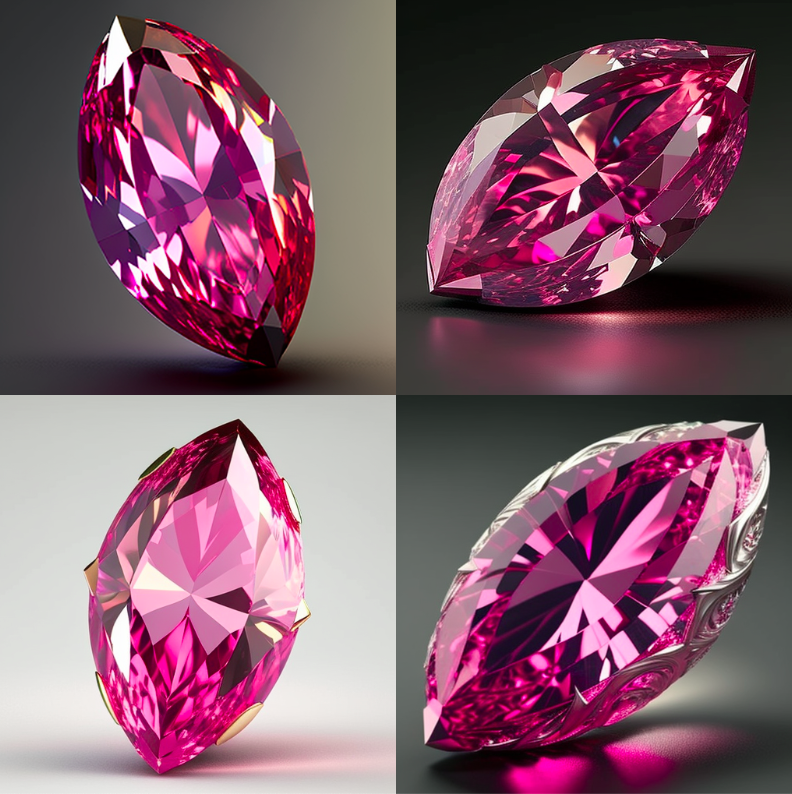
Pink sapphire, one of the most precious and sought-after gemstones in the world, has been prized for its stunning color, brilliance, and durability for centuries. Belonging to the corundum mineral family, pink sapphires are renowned for their unique hue and rarity, making them an enduring symbol of love, beauty, and luxury. The captivating beauty of pink sapphires can be attributed to their unique chemical composition and structure. Like all sapphires, pink sapphires are composed of aluminum oxide, with trace elements of iron, titanium, or chromium giving them their distinctive color. The presence of these impurities causes the lattice structure of the mineral to distort, resulting in light being dispersed in a way that produces the gemstone’s captivating hue. Pink sapphires come in a range of shades, from pale pink to deep rose. The intensity of the color is often used as a factor in determining the value of the gemstone, with the more intense and uniform the color, the more valuable the stone. However, it is worth noting that the color of pink sapphires can vary greatly, even within the same deposit, making it an especially challenging gemstone to source and grade. The history of pink sapphires is as rich and fascinating as the gemstones themselves. Sapphires have been treasured for thousands of years, with the ancient Greeks and Romans regarding them as talismans of good fortune and protection. In the Middle Ages, sapphires were believed to bring peace and wisdom to those who wore them, and were often used to adorn religious artifacts and royalty. Despite their long and fascinating history, pink sapphires only began to gain widespread popularity in the late 19th and early 20th centuries. It was during this time that the gemstone gained recognition as a symbol of love and romance, and became increasingly sought after for use in engagement rings and other forms of jewelry. The trend continued into the 20th century, with pink sapphires becoming a popular choice for celebrities, royalty, and high society figures alike. The popularity of pink sapphires has only continued to grow in recent years, with the gemstone becoming increasingly sought after by fashion-conscious consumers and collectors alike. The enduring popularity of pink sapphires can be attributed to several factors, including their stunning beauty, rarity, and versatility. Whether set in a simple solitaire or incorporated into a more elaborate piece of jewelry, pink sapphires have a timeless quality that makes them an enduring symbol of love, luxury, and beauty. Pink sapphires are a truly magnificent gemstone, prized for their stunning color, brilliance, and durability. Whether used in jewelry or as an investment, pink sapphires are an enduring symbol of beauty, luxury, and love that is sure to captivate for generations to come. So if you’re looking for a gemstone that truly embodies timeless beauty, consider pink sapphires, the captivating and precious gem of the corundum mineral family. Copyright Celticjewelry.ie 2013

Read More

IRISH FLAG

The green, white, and orange tricolor flag of Ireland is a symbol of the country’s tumultuous history, its aspirations for unity, and its cultural heritage. The flag was first used in 1848 by Irish independence activists who sought an end to British rule. They were inspired by the French tricolor, which symbolized liberty, equality, and fraternity, and adapted it to represent the three main groups in Ireland: the Protestant Anglo-Irish, the Catholic Irish, and those of mixed religion who sought a secular and united nation. The green represented the Catholic Irish, the orange represented the Protestant Anglo-Irish, and the white symbolized the hope for peace and unity between the two communities. However, the flag’s history is not without controversy. In the late 19th and early 20th centuries, it became associated with the Irish independence movement, and the British authorities banned it. During this time, the flag was a symbol of resistance and was often displayed at rallies and parades calling for Irish independence. In the years following independence, the flag continued to evolve and take on new meanings. It became a symbol of the Irish nation, encompassing its history, culture, and aspirations for a better future. Today, the flag is widely recognized as a symbol of Ireland and is displayed on government buildings, at national events, and by the Irish diaspora around the world. Despite its long history, the meaning of the Irish flag remains relevant and resonant today. It continues to evoke the country’s rich cultural heritage, its struggle for independence, and its aspirations for unity and peace. Whether draped from a building or carried in a parade, the green, white, and orange tricolor remains a potent symbol of the Irish nation and its people. In conclusion, the Irish flag is a powerful symbol of the country’s history, its cultural heritage, and its aspirations for unity and peace. From its origins as a symbol of resistance to its current role as a representation of the Irish nation, the green, white, and orange tricolor continues to evoke the spirit of the Irish people and their hopes for a better future.

Read More

AQUAMARINE JEWELLERY

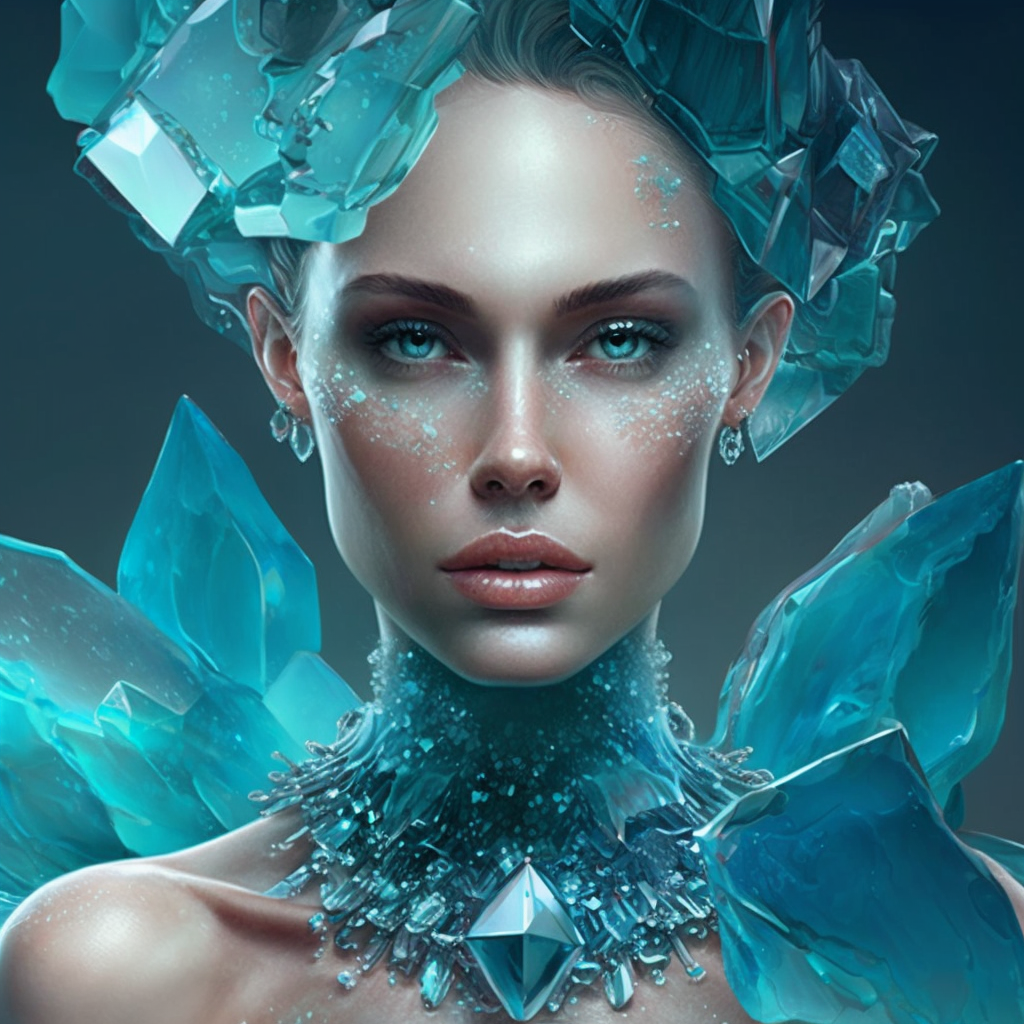
Aquamarine: The Mesmerizing Gemstone of the Sea In the world of gemstones, there are few that can capture the essence of the ocean quite like Aquamarine. This mesmerizing gemstone boasts a unique blend of blue and green hues that seem to shimmer like the waves themselves. It’s no surprise that Aquamarine has been cherished by royalty, celebrities, and gemstone enthusiasts alike for centuries. The History of Aquamarine Aquamarine is a member of the beryl family of minerals, which also includes emerald and morganite. Its name comes from the Latin word for “water of the sea,” which perfectly describes its cool, refreshing color. Aquamarine has been prized throughout history for its beauty, as well as its supposed healing properties. Ancient Greek and Roman cultures believed that Aquamarine could protect sailors on their voyages and bring them good luck. Aquamarine has been used in jewelry for centuries, and some of the most famous pieces in history feature this stunning gemstone. The Queen of Portugal’s crown is adorned with a massive Aquamarine that weighs over 1,000 carats, and the British Crown Jewels also feature several Aquamarine pieces. Celebrities like Elizabeth Taylor and Princess Diana have also been known to don Aquamarine jewelry, further cementing its status as a gemstone fit for royalty. The Properties of Aquamarine Aquamarine is a relatively hard gemstone, with a rating of 7.5-8 on the Mohs scale. It is typically found in large, clean crystals, which makes it an ideal choice for faceting into gemstones. The color of Aquamarine can vary depending on the location where it was mined, but the most prized stones have a deep blue-green color reminiscent of the ocean. Aquamarine is also known for its transparency, which allows light to pass through the stone and create a sparkling, brilliant effect. The Benefits of Aquamarine Aquamarine is believed to have several benefits for those who wear it. In addition to its alleged protective properties for sailors, Aquamarine is said to bring peace and calm to its wearer. It is also believed to promote clear communication and self-expression, making it a popular choice for those in creative fields. Some people even believe that Aquamarine can help to relieve stress and anxiety. How to Wear Aquamarine Aquamarine is a versatile gemstone that can be worn in many different styles of jewelry. Rings, earrings, necklaces, and bracelets all look stunning when adorned with this captivating gemstone. Aquamarine pairs well with white gold or platinum, which highlights the stone’s cool, watery tones. For a more modern look, consider pairing Aquamarine with rose gold, which adds a warm, feminine touch to the gemstone. Aquamarine is a gemstone that captures the essence of the ocean, making it a popular choice for those who love the sea. Its mesmerizing color and stunning brilliance make it a favorite among gemstone enthusiasts, while its supposed healing properties make it a beloved choice for those seeking peace and calm. Whether worn as a statement piece or as a subtle addition to an Irish jewelry collection, Aquamarine is sure to turn heads and leave a lasting impression.

Read More

THE SYMBOLISM OF THE IRISH WOLF

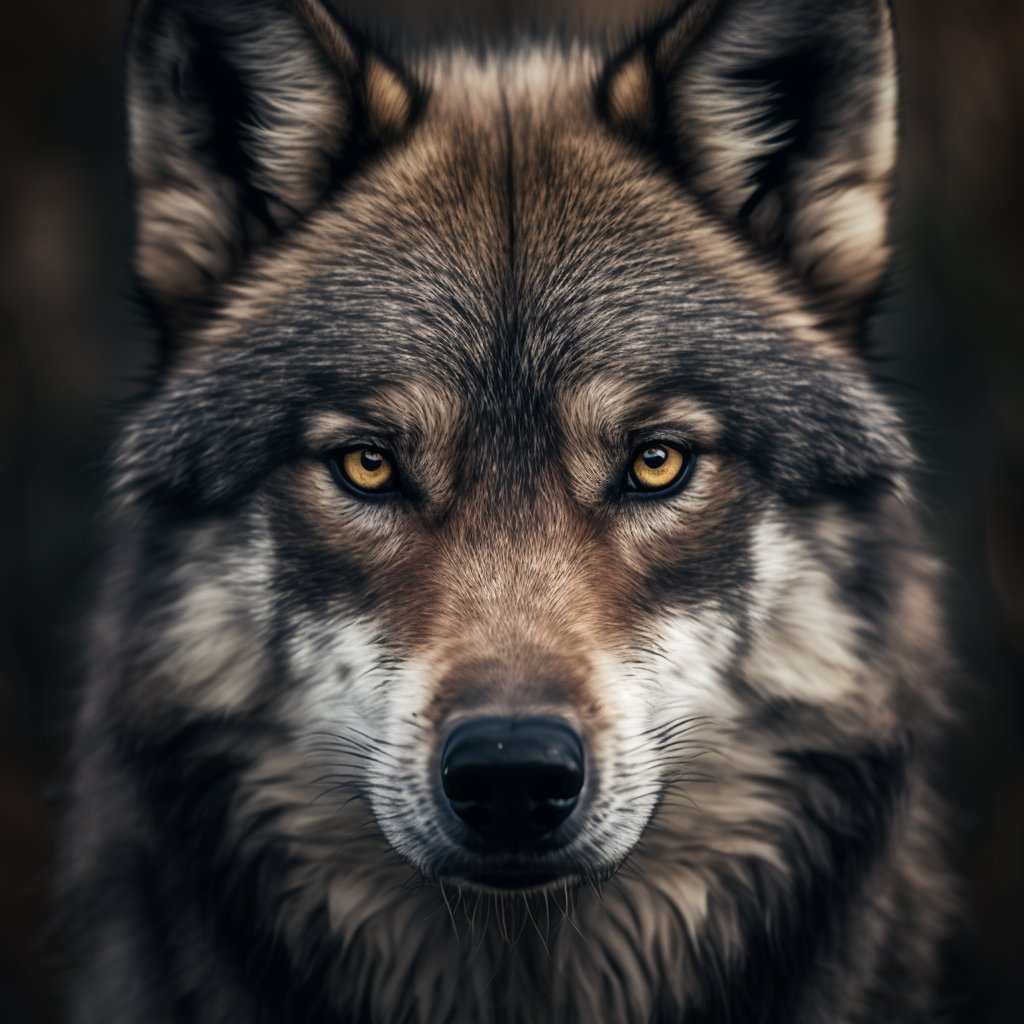
The wolf (mac tíre in Irish means Son of the Land) has a rich and complex history in Ireland, with both positive and negative associations throughout the ages. In ancient Irish mythology, wolves were often associated with bravery and loyalty, and were considered to be protectors and guides. In fact, many of the great Irish heroes were said to have been raised by wolves, including the legendary hero Fionn Mac Cumhaill. The Celts believed that the wolf was a powerful symbol of the moon, and they associated it with transformation, intuition, and the hunt. They also believed that wolves had the ability to communicate with the spirits of the dead, and that they were therefore able to act as intermediaries between the living and the dead. It is my belief that our forefathers understood the wolf much better than in later times. However, with the arrival of Christianity in Ireland, the wolf began to be seen as a symbol of evil and darkness. The Bible refers to wolves as predators and destroyers, and this negative view of the animal began to permeate Irish society. By the Middle Ages, the wolf had become a symbol of fear and terror, and many people believed that they were agents of the devil. As a result of this fear, the wolf was hunted to extinction in Ireland. By the 17th century, the last wolf was believed to have been killed, and the animal disappeared from Irish folklore and mythology. However, in recent years there has been a resurgence of interest in the wolf, and many people are now working to reintroduce the animal to Ireland’s wild landscapes. Overall, the wolf has played a significant role in Irish mythology and history, with its symbolism and associations evolving over time to reflect the changing beliefs and values of Irish society. The meaning or symbolism of the Wolf of an Irish wolf pendant can vary depending on the the person wearing it, but here are some common meanings associated with wolf pendants: Strength and power: Wolves are known for their strength and resilience, and a wolf pendant can represent these qualities. It may be worn as a talisman to give the wearer a sense of inner strength and courage. Loyalty and family: Wolves are social animals that live in packs, and they are known for their fierce loyalty to their family members. A wolf pendant may represent the importance of family and the bond between loved ones. Spirituality and intuition: In Celtic cultures, wolves are seen as spiritual guides that can help individuals tap into their intuition and inner wisdom. A wolf pendant may be worn as a symbol of this connection to the spiritual realm. Freedom and independence: Wolves are also associated with freedom and independence, as they are skilled hunters that roam and hunt on their own. A wolf pendant may be worn as a reminder of the importance of individuality and self-reliance. Protection and guardianship: In ancient Irish culture, wolves were seen as protectors and guardians, and a wolf pendant may be worn as a symbol of this protective energy. Overall, the symbolism of a wolf pendant can be quite personal and meaningful to the individual wearing it, depending on their own interpretation and cultural background.

Read More

10 THINGS TO KNOW ABOUT SNEEM.

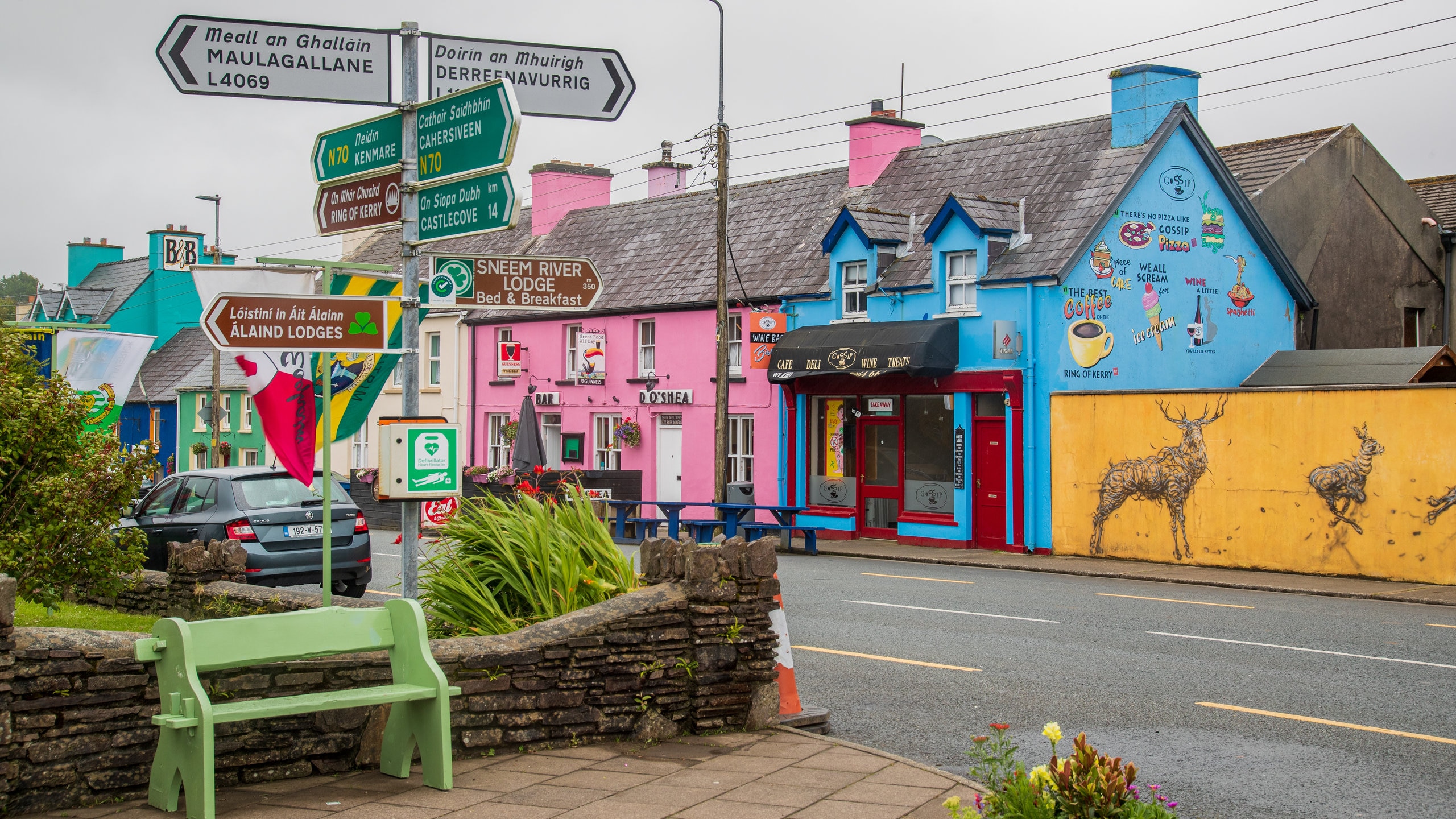
  Sneem is known for its brightly colored houses, which were painted in the 1960s to help locals identify their homes in the foggy weather. The village is located on the Ring of Kerry, a scenic driving route that attracts visitors from all over the world. The famous Kerry Way walking route passes through Sneem, offering hikers a chance to explore the surrounding countryside. Sneem is home to the “Sneem Head”, a rock formation that looks like the head of a person when viewed from a certain angle. The village is also home to the Sneem Sculpture Trail, a collection of over a dozen unique sculptures created by local artists. The Church of the Transfiguration in Sneem was built in the early 1800s and features a stunning stained glass window. The Old Police Barracks in Sneem was built in 1867 and served as a police station until the 1920s. Sneem has been named one of Ireland’s most beautiful villages, thanks to its charming blend of old-world charm and modern amenities. The village has a thriving culinary scene, with a range of options to suit every taste and budget. Sneem is home to a number of annual festivals and events, including the Sneem International Folklore and Storytelling Festival and the Sneem Family Festival. And a bonus fact – Sneem is an amazingly beautiful drive to the town of Kenmare, where I have my little shop. Seriously, its a beautiful drive ! Check out Blackwater Pier with stunning views and also Blackwater Bridge

Read More

KENMARE

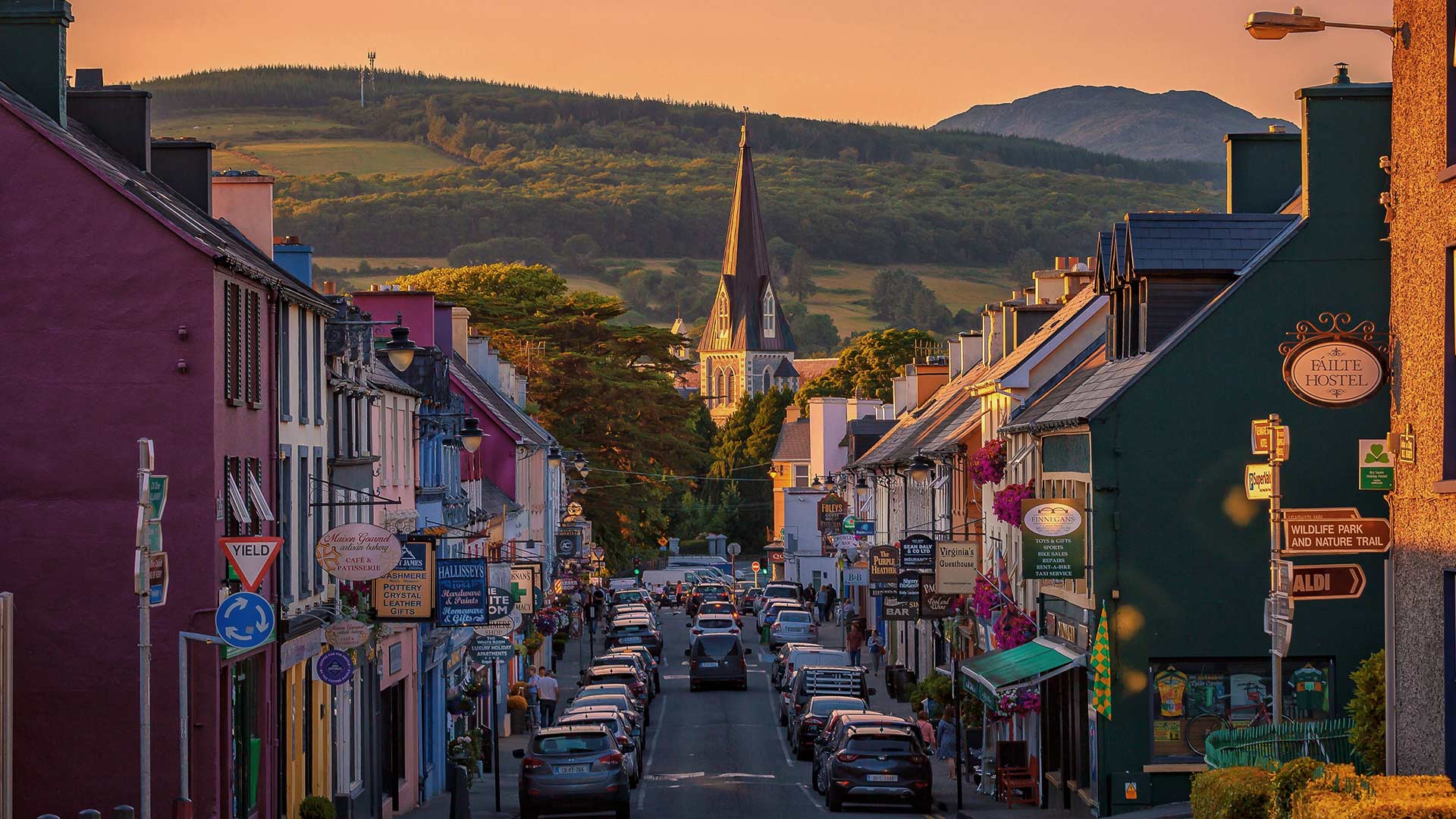
  Welcome to Kenmare, County Kerry – a picturesque town nestled in the heart of Ireland’s Wild Atlantic Way. Known as the “jewel in the crown” of the Ring of Kerry, this charming town has been enchanting visitors for centuries with its stunning natural beauty, rich history, and warm hospitality. Located at the junction of the Kenmare River and the Iveragh Peninsula, Kenmare offers a perfect blend of lush green landscapes, rugged coastline, and fascinating culture. The town’s name comes from the Irish “Ceann Mara,” which means “head of the sea” and accurately describes its breathtaking location. One of the town’s most striking features is its colorful buildings, each of which seems to tell a story. From the cheerful pink façade of Crowley’s pub to the imposing stone walls of Kenmare Castle, the town’s architecture is as varied and unique as its inhabitants. The streets are narrow and winding, with hidden alleys and cozy corners that invite exploration. Kenmare’s main attraction, however, is its natural beauty. The town is surrounded by some of the most breathtaking scenery in Ireland, including the MacGillycuddy’s Reeks mountain range and the stunning Killarney National Park. Visitors can explore the park’s lush forests, crystal-clear lakes, and cascading waterfalls on foot, bike, or horseback, or take a leisurely drive along the Ring of Kerry for panoramic views of the rugged coastline. But Kenmare is not just about natural beauty; it’s also a hub of culture and history. The town is home to a number of fascinating museums, including the Kenmare Lace and Design Centre, which celebrates the town’s rich tradition of lace-making, and the Kenmare Heritage Centre, which offers a glimpse into the town’s past through exhibits and interactive displays. Foodies will also be in their element in Kenmare, which has a thriving culinary scene. The town is renowned for its seafood, with freshly caught fish and shellfish featuring prominently on many menus. Visitors can also sample the local cheeses, meats, and artisanal products at the weekly farmer’s market or visit one of the many excellent restaurants and cafes dotted throughout the town. Finally, no visit to Kenmare would be complete without seeing the famous jewellery of Aidi Mac Dáibhi, located at 30 Henry Street. Aidi apprenticed at the famous Kilkenny Design Workshops and his work is inspired by local stories and legends. Also, the town’s friendly locals are always eager to welcome visitors – Whether you’re sipping a pint of Guinness in a cozy pub or browsing for Kenmare Jewellery, you’ll be sure to feel the warmth and charm of this special place. Kenmare, County Kerry, is a town that has it all – natural beauty, Irish jewelry and history, fabulous food, and warm hospitality. Whether you’re a first-time visitor or a seasoned traveler, this enchanting town is sure to captivate you and leave you with unforgettable memories. So why not come and experience the magic of Kenmare for yourself?

Read More

CROMWELL’S BRIDGE: AN ENIGMATIC LANDMARK IN KENMARE

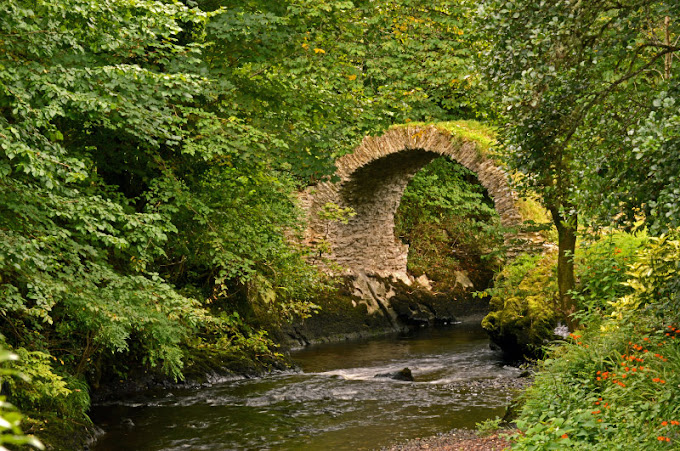
  Nestled in the picturesque countryside of Kenmare, a charming town in County Kerry, lies an enigmatic stone bridge that has captured the imagination of visitors for generations. Known as Cromwell’s Bridge, this landmark owes its name not to the notorious English military commander Oliver Cromwell, but to the Irish word for mustache, “croimeal”. The bridge’s unique design, resembling a thick mustache, has been a source of fascination and speculation for many years. The bridge’s origins have long been a topic of debate and conjecture. While it was once believed that the bridge was constructed during the Cromwellian period in the mid-17th century, more recent research has suggested that it was built by local monks during the medieval period to provide access to a nearby holy well. The bridge’s soaring single arch, which stands high above the River Finnihy, is a testament to the engineering skills of its builders and a remarkable example of Irish bridge design. Despite its origins and purpose remaining something of a mystery, Cromwell’s Bridge has become a beloved and enduring symbol of Kenmare’s rich cultural heritage. It is a popular destination for visitors from around the world, who come to marvel at its impressive architecture and soak up the natural beauty of the surrounding countryside. For many, Cromwell’s Bridge is a symbol of the enduring power of history to shape our understanding of the world around us. Its construction during a time of political and religious upheaval in Ireland serves as a reminder of the country’s complex past and the resilience of its people. The bridge’s unique design, with its graceful curve and dramatic arch, has become an icon of Irish craftsmanship and ingenuity. Whether viewed as a relic of local legend or a testament to Irish engineering, Cromwell’s Bridge continues to capture the imagination of visitors and locals alike. Its tranquil setting and idyllic surroundings make it a must-see destination for anyone visiting Kenmare, a town steeped in history and natural beauty. As a source of pride for the local community, Cromwell’s Bridge stands as a testament to the enduring power of history and the ability of a single structure to capture the imagination of generations to come.

Read More

KENMARE STONE CIRCLE

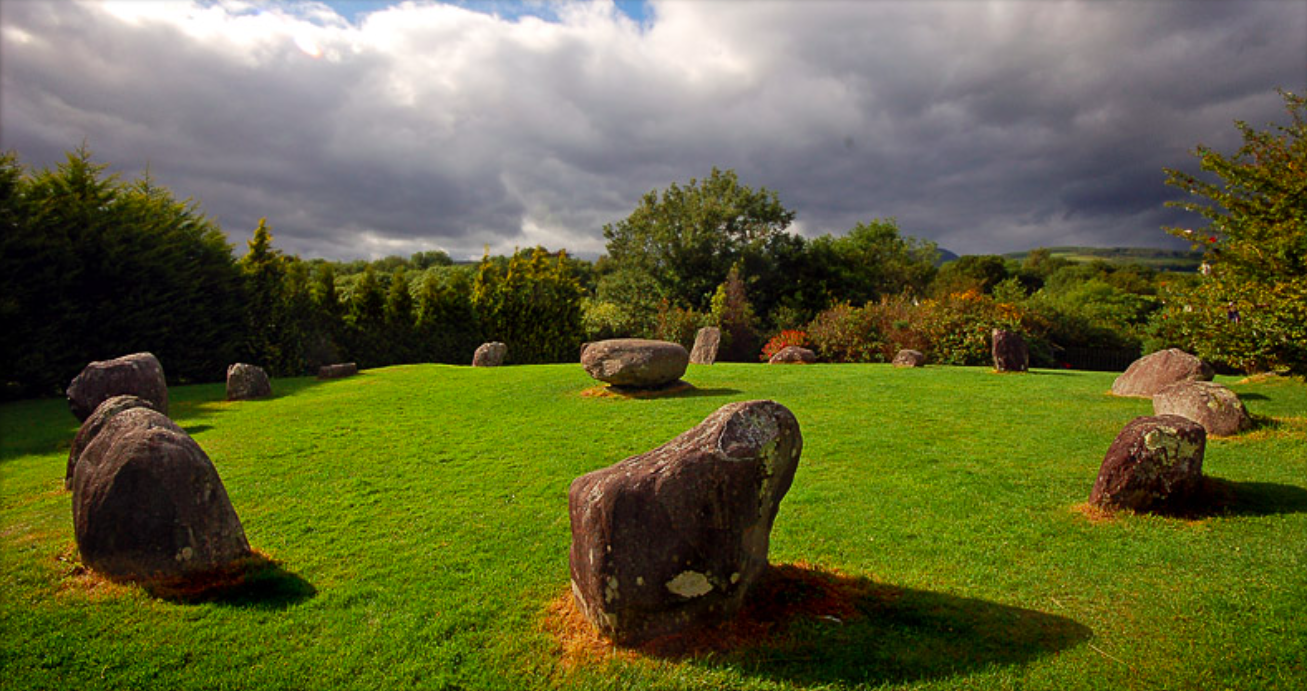
  At the crest of a gentle hill in County Kerry, Ireland, a cluster of ancient stones looms over the verdant landscape. Known as the Kenmare Stone Circle, this prehistoric monument is one of the largest and most impressive of its kind in Ireland, attracting visitors from around the world who come to marvel at its size and craftsmanship, and to ponder the mysteries of its purpose. Constructed during the Bronze Age, around 2200-500 BCE, the Kenmare Stone Circle consists of 15 standing stones arranged in a circle, with a small boulder in the center. Made of local sandstone, some of the stones are over 2 meters tall, and the circle has a diameter of about 17.4 meters. What is perhaps most remarkable about the Kenmare Stone Circle is its orientation towards the winter solstice, suggesting that it was used not only for religious or ceremonial purposes, but also as an astronomical observatory. The purpose of prehistoric stone circles like the Kenmare Stone Circle remains one of the enduring mysteries of archaeology. Some researchers speculate that they were used for astronomical observation or as calendars, while others believe they were centers of ritual or worship. The Kenmare Stone Circle is part of a larger tradition of megalithic monument construction in Europe, and is one of many stone circles that can be found throughout Ireland. The Kenmare Stone Circle is not only a monument to Ireland’s prehistoric past, but also a testament to the enduring power of folklore and mythology. According to legend, the circle was created by a group of druids who were fleeing from persecution. Using their magic, the druids transported the stones from a distant location to the hilltop where the circle now stands. Today, the Kenmare Stone Circle is protected as a National Monument of Ireland, and continues to inspire wonder and curiosity among those who visit it. For many visitors, the Kenmare Stone Circle is a place of profound spiritual significance, evoking a sense of connection to Ireland’s ancient past and the forces of nature that shaped it. The circle’s location on a hill overlooking the town of Kenmare and the surrounding countryside only adds to its mystique, imbuing it with a sense of timelessness and wonder. As we gaze upon the Kenmare Stone Circle, we are reminded of the enduring power of human ingenuity and creativity, and the deep roots of our connection to the natural world. In a world that often seems driven by technology and progress, the Kenmare Stone Circle stands as a reminder of the enduring importance of our connection to the past, and the mystery and wonder that still surrounds us.

Read More